


How to Choose the Best Cat Food Manufacturer in Malaysia: A Step-by-Step Sourcing Guide
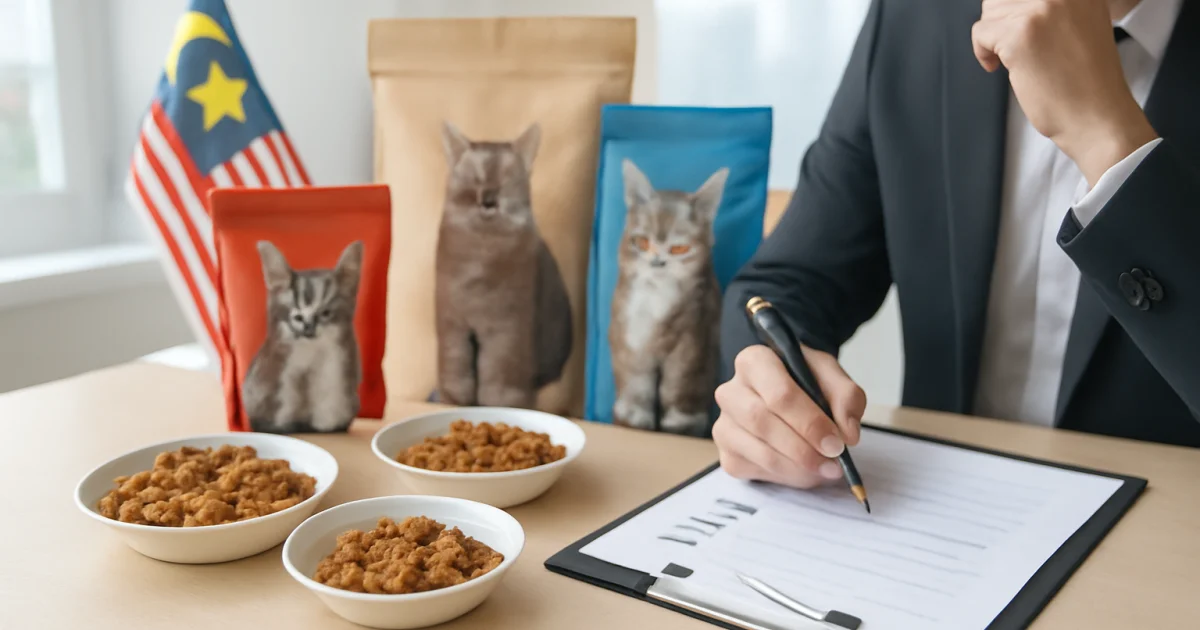
Choosing the right cat food manufacturer in Malaysia is an essential step for distributors, retailers, importers, and business owners targeting the thriving pet food segment. With increasing demand for quality, variety, and compliance in cat food products, sourcing decisions directly affect your business reputation, operational efficiency, and market reach. This comprehensive, actionable guide walks you through every stage of the sourcing process, from market mapping and evaluation to quality checks, certifications, and long-term partnership development.
1. Understand the Malaysian Cat Food Market Landscape
Before shortlisting suppliers, it is crucial to understand Malaysia’s unique pet food industry. The market is shaped by both local and international brands, a growing middle-class population, and rising pet ownership. Cat owners in Malaysia are becoming more discerning, looking for products that are nutritionally balanced, halal-certified, and affordable. As you begin your search, identify your target audience—supermarkets, convenience stores, pet shops, or export markets—and clarify whether you need private label, OEM, or established brands.
- Private label/OEM: For businesses wanting to launch their own cat food brand, local manufacturers offer full-service solutions from formulation to packaging.
- Established brands: Distributors may prefer working with manufacturers that own or supply well-known Malaysian or international brands for easier market entry and recognition.
Researching industry directories, trade associations, major pet expos, and online B2B platforms can help you compile an initial list of potential cat food manufacturers in Malaysia.
Key Market Trends Shaping the Industry
- Humanization of Pet Food: Malaysian consumers are increasingly treating pets as family, seeking premium, functional, and specialty diets.
- Halal Assurance: With a significant Muslim population, halal certification is not just a preference but often a requirement.
- Health and Wellness: There is a growing interest in grain-free, high-protein, and all-natural formulations, with an emphasis on nutritional transparency.
- Convenience and Packaging: Single-serve pouches, resealable bags, and easy-to-store packaging are gaining popularity among urban pet owners.
- Digital Transformation: E-commerce and online B2B sourcing platforms are facilitating easier supplier discovery and communication.
Staying informed about these trends can help you better align your sourcing strategy with market demand and consumer preferences.
2. Define Your Product Requirements and Business Needs
Once you have a landscape view, detail your product and business needs. This step ensures you only engage with manufacturers capable of delivering on your expectations. Consider the following:
- Product Types: Dry food, wet food, treats, functional or specialty diets?
- Ingredients: Preference for grain-free, high-protein, or novel proteins?
- Packaging: Bulk bags, sachets, pouches, or cans? Retail-ready or foodservice bulk?
- Certifications: Is halal certification required? Are you targeting export and need additional international food safety standards (e.g., ISO, HACCP, GMP)?
- MOQ and Pricing: What is your estimated purchase volume and target price range?
- Custom Formulation: Do you require custom recipes or private label branding?
Documenting these specifications will streamline your communication and comparison with manufacturers.
Checklist: Defining Your Ideal Product
- List out must-have and nice-to-have product features (e.g., grain-free, hypoallergenic, life-stage appropriate).
- Specify preferred ingredient sources (e.g., local, imported, organic, or sustainable).
- Determine your packaging needs—consider shelf space, branding, and logistics.
- Clarify your budget and willingness to pay for premium features or certifications.
Having a clear product brief will help you avoid miscommunication and wasted time during supplier discussions.
3. Shortlist Qualified Cat Food Manufacturers
With your requirements clear, you can begin shortlisting manufacturers. Look for partners with proven experience in cat food production, transparent business practices, and a good track record. For a strong shortlist, consider:
- Manufacturing Capabilities: Do they have modern facilities optimized for pet food? Can they handle your volume and packaging needs?
- Certifications and Compliance: Are they certified by JAKIM for halal, and do they have relevant safety and quality certifications? This is especially important for serving Malaysia’s large Muslim population and export markets.
- Reputation and References: Check for client testimonials, industry awards, or case studies. Seek references from other distributors or retailers.
- Product Portfolio: Do they offer a range of cat food and related pet products to support cross-category sales?
It’s also wise to consider companies with a diversified background in food manufacturing, such as those producing ice pops, biscuits, or snacks for added supply chain reliability and innovation potential.
Example: Comparing Two Manufacturers
Suppose Manufacturer A specializes solely in dry cat food, while Manufacturer B offers both dry and wet food, plus private label services. If your business needs flexibility and future expansion, Manufacturer B may be the better long-term partner. Evaluate such capabilities against your growth plans.
4. Evaluate Product Quality and Food Safety Standards
Quality and safety are non-negotiable in pet food sourcing. Arrange for product samples and, where possible, visit the manufacturing site. Evaluate:
- Raw Materials: Are ingredients sourced responsibly? Are there clear records of origin and quality checks?
- Production Process: Is the facility clean, well-organized, and compliant with food safety standards?
- Testing and Quality Assurance: Ask about in-house lab testing, third-party certifications, and batch traceability procedures.
- Product Consistency: Compare multiple samples for taste, aroma, shape, and packaging quality.
Request documentation such as halal certification, ISO, HACCP, or GMP certificates. For export, ask about compliance with destination country regulations.
Quality Control Red Flags
- Lack of up-to-date certification documents or unwillingness to share them.
- Inconsistent product samples or discrepancies between batches.
- Unclear answers regarding ingredient sourcing or traceability.
- Poorly maintained or outdated production facilities.
Addressing quality issues early prevents costly recalls, reputational damage, and regulatory penalties down the road.
5. Assess Halal Certification and Regulatory Compliance
Halal certification is a fundamental aspect for most Malaysian distributors and many international buyers. Confirm the manufacturer’s halal status with JAKIM or other recognized authorities and verify that certification covers the full range of products and production lines. In addition, check for:
- Local Licensing: Does the manufacturer hold all necessary business and manufacturing licenses?
- Export Readiness: For international buyers, ensure the manufacturer can provide documents and meet requirements for overseas shipment.
- Labeling Compliance: Malaysian food labeling standards are strict—ensure your supplier can comply with both local and export packaging regulations.
Manufacturers experienced in both domestic and export markets are often better equipped to manage documentation and regulatory needs.
Scenario: Navigating Halal Requirements for a New Brand
Imagine you are launching a new private label cat food. You select a manufacturer with halal-certified facilities but discover that not all production lines are included in their certification scope. This oversight can block your product’s entry into key supermarket chains. Always verify documentation and request confirmation for each SKU and production batch you plan to source.
6. Request Transparent Pricing and Clear Terms
Price is important, but it should not be the sole criterion. Request detailed quotations covering every aspect of your order:
- Unit Pricing: Clarify price per pack, carton, or ton, including all taxes and surcharges.
- Minimum Order Quantity (MOQ): Check if the MOQ fits your business size and distribution plan.
- Lead Times: Confirm production and delivery timelines, especially if you require regular or bulk orders.
- Payment Terms: Understand deposit requirements, balance payment, and refund/cancellation policies.
- Sample/Trial Orders: If possible, negotiate a trial order before committing to larger volumes.
Transparent manufacturers will have no issue providing clear, itemized quotations and standard contracts. Watch for hidden fees or vague promises.
Negotiation Tips for New Entrants
- Ask for breakdowns of costs for packaging, formulation changes, or additional certifications.
- Negotiate flexible MOQs or phased order commitments, especially for new product launches.
- Clarify who bears shipping costs, insurance, and customs fees for export orders.
- Request written confirmation of all verbal agreements before making payments.
Clarity in terms and communication reduces the risk of expensive misunderstandings later.
7. Visit or Audit the Manufacturing Facility
For serious sourcing, consider an on-site visit or third-party audit. This allows you to verify the manufacturer’s claims, inspect hygiene standards, and observe operations firsthand. Prepare a checklist covering:
- Facility cleanliness and organization
- Staff training and hygiene practices
- Storage and handling of raw materials
- Production line efficiency and safety
- Quality control checkpoints
Onsite audits are especially useful for businesses planning to commit to long-term supply agreements or private label development. If in-person visits are impractical, request a detailed video walkthrough, virtual meeting, or third-party inspection report.
Case Study: The Value of a Facility Visit
A retailer sourced pet food from a local manufacturer based on attractive pricing and certifications. However, a facility visit revealed outdated equipment and lax hygiene standards. This discovery prompted the retailer to switch suppliers, preventing reputational harm and product recalls. Regular audits and site visits are invaluable for ongoing quality assurance.
8. Negotiate, Trial, and Build Long-Term Partnership
After finalizing your shortlist, engage in negotiations. Focus on building a mutually beneficial relationship, not just squeezing for the lowest price. Consider:
- Trial Orders: Place a small batch order to evaluate product quality, packaging, delivery, and after-sales support.
- Feedback Loop: Provide feedback on samples and trial orders, and assess the manufacturer’s responsiveness to suggestions or issues.
- Contract Terms: Secure written agreements covering product specs, delivery schedules, quality standards, dispute resolution, and confidentiality (especially for private label projects).
- Scalable Supply: Discuss the manufacturer’s ability to scale production as your business grows, including new product launches or seasonal demand spikes.
A reliable cat food manufacturer in Malaysia should act as a proactive partner—sharing industry insights, updating you on new trends, and supporting your brand development. Leverage their expertise in related food categories, such as jelly, wafer rolls, or carbonated drinks, for potential cross-promotional opportunities.
Building a Sustainable Partnership
- Schedule regular business reviews to discuss performance, innovation, and market feedback.
- Encourage joint development of new recipes or packaging based on emerging market trends.
- Share promotional calendars to coordinate launches and marketing campaigns.
- Establish clear escalation paths for quality or supply chain issues.
Strong partnerships foster innovation, agility, and resilience in a competitive market.
Common Mistakes and How to Avoid Them
- Overlooking Documentation: Always double-check all certificates, licenses, and test results before placing major orders.
- Ignoring Cultural Preferences: Malaysian consumers may have specific expectations regarding halal status, flavor profiles, and packaging. Work with manufacturers who understand and prioritize local consumer needs.
- Underestimating Lead Times: Seasonal demand, ingredient shortages, or regulatory changes can affect supply. Build contingencies into your sourcing plan.
- Failing to Communicate: Misunderstandings about product specs or order terms can derail even the best partnerships. Document everything and maintain open lines of communication.
- Neglecting After-Sales Support: Choose manufacturers who provide responsive after-sales service and can assist with claims, returns, or quality issues.
Conclusion: Choose a Strategic Partner, Not Just a Supplier
Sourcing the right cat food manufacturer is more than a transactional decision. It’s about building trust, ensuring consistent product quality, and gaining market advantage through compliance, innovation, and operational efficiency. By following these step-by-step guidelines, you’ll be well-positioned to select a Cat Food Manufacturer Malaysia that meets your business’s needs—today and for years to come.
Frequently Asked Questions
What should I look for in a reliable cat food manufacturer in Malaysia?
Focus on manufacturers with robust food safety certifications (such as halal, ISO, HACCP), proven pet food experience, transparent ingredient sourcing, and the ability to meet your specific product and packaging needs. It’s also important to check their production capacity, references, and responsiveness to inquiries.
Is halal certification necessary for cat food in Malaysia?
Halal certification is highly recommended, as many Malaysian buyers and consumers expect it. Certification from recognized authorities like JAKIM assures both compliance and broader market acceptance, especially if you plan to distribute to supermarkets, minimarkets, or export markets.
How can I verify the quality of a cat food manufacturer’s products?
Request product samples and, if possible, visit the manufacturer’s facility. Ask for documentation of raw material sourcing, in-house and third-party lab test results, and certificates for food safety and quality standards. Consistent sample quality and transparent processes are key indicators.
Can Malaysian pet food manufacturers support private label or OEM projects?
Yes, many manufacturers in Malaysia offer private label and OEM services, including custom formulation, branding, and packaging. Clearly communicate your product specifications, packaging preferences, and branding goals to find a partner that can deliver end-to-end solutions.
What are common pitfalls to avoid when sourcing from a cat food manufacturer Malaysia?
Avoid making decisions purely on price. Watch out for unclear quotations, lack of certifications, inconsistent product samples, or weak communication. Always conduct proper due diligence, including checking references and, if possible, auditing the facility before making long-term commitments.
Ready to Source Quality Cat Food Products in Malaysia?
With nearly 30 years of experience in food manufacturing and distribution, AS Teng Teng Sdn Bhd delivers reliable, halal-certified, and innovative products across multiple categories. From ice pops and wafer rolls to pet food and snacks, our in-house R&D and extensive distribution network support both local and international partners. Let us help you find the ideal cat food solutions for your business.
Contact our team today to discuss your requirements, request samples, or schedule a facility visit.